Table of Content
Open communication is the key to solving most walk-through problems. First, talk to your real estate agent, who will then speak with the seller’s agent and explain the issue. It’s important to let the real estate agents on both sides serve in their designated roles, and you’ll likely come to an amicable solution. This is not the time to bring up entirely new items that you or your inspector did not find the first or second time around. This is a cursory inspection to ensure the house reflects the condition you remember when you made the offer.

Make a list in your notebook and take photos of items that need repairs, just in case you need to reference them later. It’s important to examine the house and property thoroughly on the walk-through. Be sure to inspect every room and space in the home, to run each appliance, and to test out all the systems, including heating, plumbing, and electrical.
Who should be present during the final walk-through?
The walk-through usually takes place after all the seller’s possessions have been moved out, which may make it the first time you’ve seen the home empty. This gives you a chance to thoroughly examine the home and detect any issues that may have been covered up by furniture or artwork. A window that doesn’t open correctly becomes a fire hazard, and a poorly installed one invites cold air, water damage, and mold. While it’s fun to examine your future home, a blue tape walkthrough requires a careful eye. You have the right to see if all repairs have been completed before you sign the closing paperwork for your home.
A blue tape walkthrough, also called a blue tape inspection, is part of building a home. Although, it actually occurs after the new construction’s completion date. Dont worry, finding minor problems during your new construction walkthrough is very common. In fact, sticking blue tape on 30 or 40 minor issues is often considered normal. A final walkthrough is just like it soundsits a walk through the house youre about to buy. Its an opportunity for you and your real estate agent to spend a few hours looking over the placeroom by room, inside and outto check that everything works as it should.
How Much Does It Cost to Build a House in 2023?
The buyer may also bring their real estate agent or a close friend to help catch any issues. During the walkthrough, use your checklist, ask plenty of questions, and examine every corner of the house to avoid costly repairs down the road. You can delay closing until the repairs can be finished or new repairs are completed. You and the seller are both vested in making it successfully to closing, which is why walk-through issues are usually resolved in a reasonable amount of time. The final walk-through may prompt some anxiety on your part , but most of the time the final walk-through goes rather smoothly.
Namely, the term “blue tape walkthrough” usually applies to a new construction. And, you have a builder or builder representative join you during it. In contrast, you’ll likely just have a real estate agent with you during the final walkthrough.
New Construction Homes Port Orange Fl
For pools, make sure that you understand the equipment and the maintenance requirements. Turn them on and test their functioning for at least five minutes. You’ll also need to check the porch, deck, and patio areas. If they’re made from lumber, check for proper fasteners (did you agree on screws or nails?) and spacing.
According to Conti, many buyers incorrectly assume that sellers are required to deep clean the home before closing. “This should be pre-negotiated if it is important to the buyer,” she says. Buyers should beware of potential safety hazards in their new home.
What Is APR and How Does It Work for Mortgages?
Home inspector for your new construction to ensure everything is working properly and there are no signs of underlying issues. A buyer should check each room for damage and test all the major systems, plumbing fixtures, and appliances, according to Rock. How long it takes to complete the final walk-through depends on the size of the home and how carefully you examine it. You don’t want to rush the process and miss any major issues. If the seller agreed to make repairs, you also may want the home inspector to attend and confirm that everything has been fixed correctly.
Look at the hardware to make sure each knob and pull has been installed in the same spot. Every door and window needs to be checked for functionality. Make sure all open and close with ease — no sticking, squeaking, or jamming. Check that each exit point locks effectively and that deadbolts have been installed where you requested. Keep them on for at least five minutes to ensure they work properly. The builder’s agent or customer service representative, along with an on-site worker or contractor, will usually be there when you arrive.
If you spot any issues during your final walk through, don’t hesitate to share them with your real estate agent. Blue tape walkthroughs help homeowners identify potential problems or blemishes before the final walkthrough and closing. But, it’s essential regardless for both the buyer and builder to do so they can address any issues proactively. At that time, the potential buyer meets with someone who represents the builders, like a builder’s agent or on-site construction foreman, to do a walkthrough of the home.
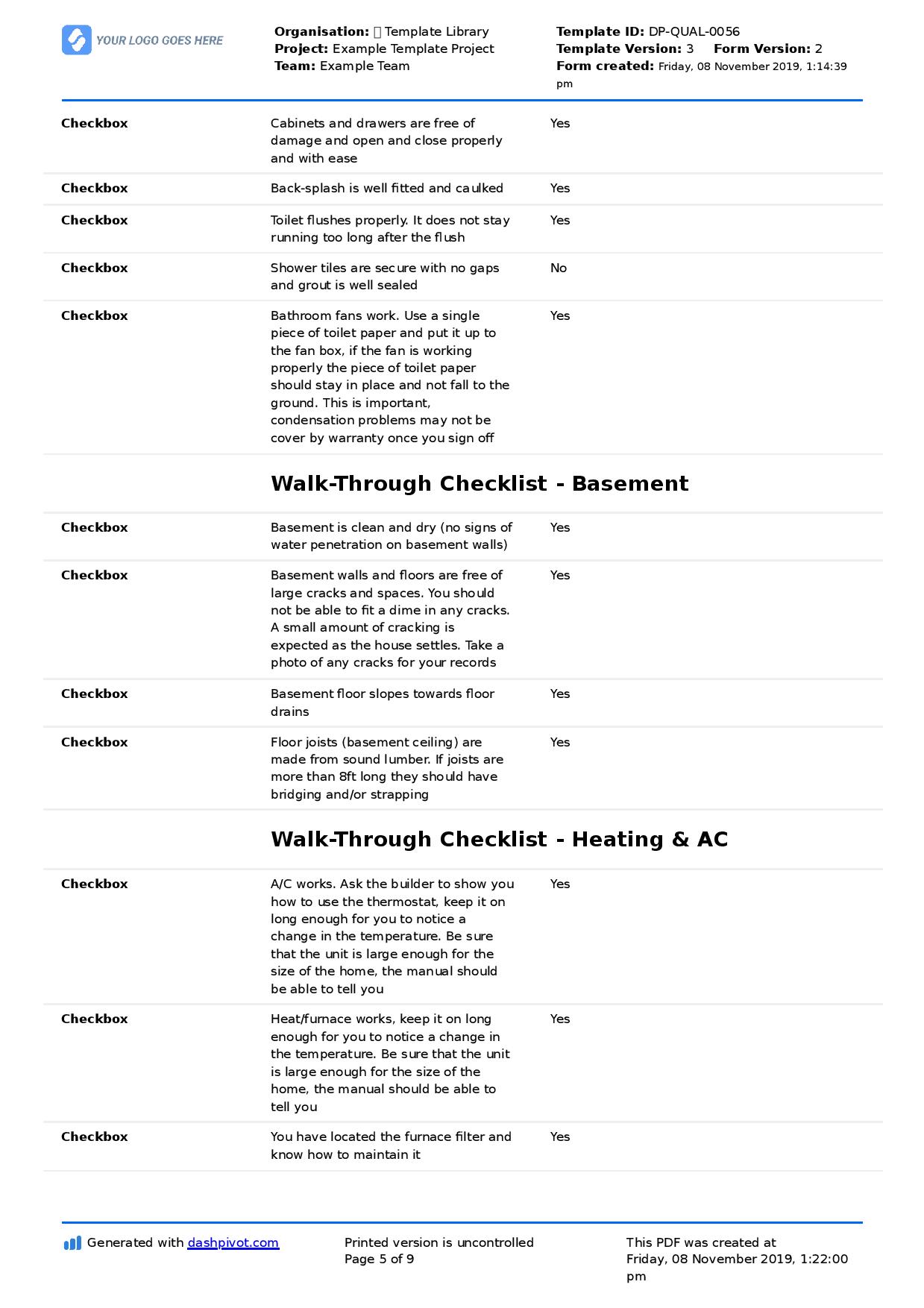
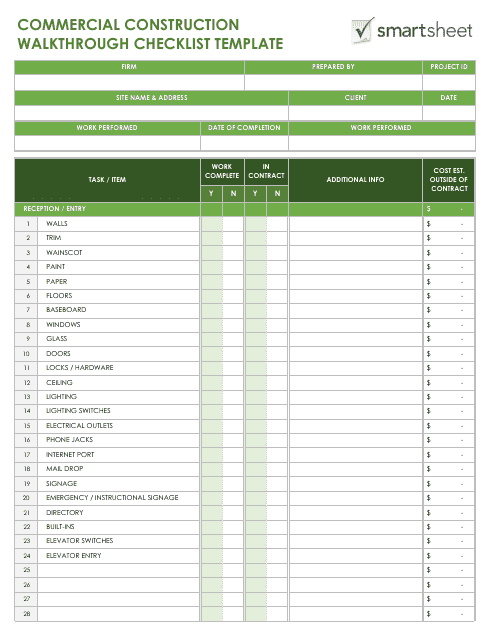
But there’s one more critical step before closing – the final walkthrough. To help ensure a smooth closing, we’ve created a final walk-through checklist for your new construction home. The final walkthrough is your last chance to make sure that everything you’ve contracted for are in the home. If there are quality issues or missing features, a “punch out” list will have all the notes regarding these issues and will be handed to the subcontractor for completion.
Most builders will ask for a new list of repairs within 30 to 90 days after move-in if you find anything new that needs to be fixed. They may also ask for another list of repairs during your 11th month in the home. This is usually the month before the builder’s warranty expires. Most problems you come across during a final walkthrough will be minor or cosmetic. You might notice a kitchen tile crack, a baseboard missing some paint, or an outlet missing a cover. The final walk-through occurs toward the end of the homebuying process, after the home has been inspected and you’ve made an offer that has been accepted.

The landscaping should meet your specifications, and the paint should be free of any streaks, drips, or cracks. Now is also the time to make sure the trim is smooth and tightly secured. Be on the lookout for warped wood or improperly installed fittings. You’ll also want to test the light fixtures and the outlets. Bring a hairdryer or cell phone charger to make sure power is flowing.
A properly installed roof will protect your new build from the elements. The shingles should lay flat and fit together tightly, and a tile roof should be free of cracks. Be on the lookout for gaps or warping that will reduce the efficacy of the roof. You should also make sure the gutters and downspouts redirect water away from the property and are free of debris.

The walkthrough happens as close to closing day as possibleusually a few days before. If you cant do your walk-through on the day of closing, youll want to aim for no more than 2-3 days ahead of closing. Yep, the final walkthrough is your last chance to make sure everythings in order before you sign the paperwork on closing day.


No comments:
Post a Comment